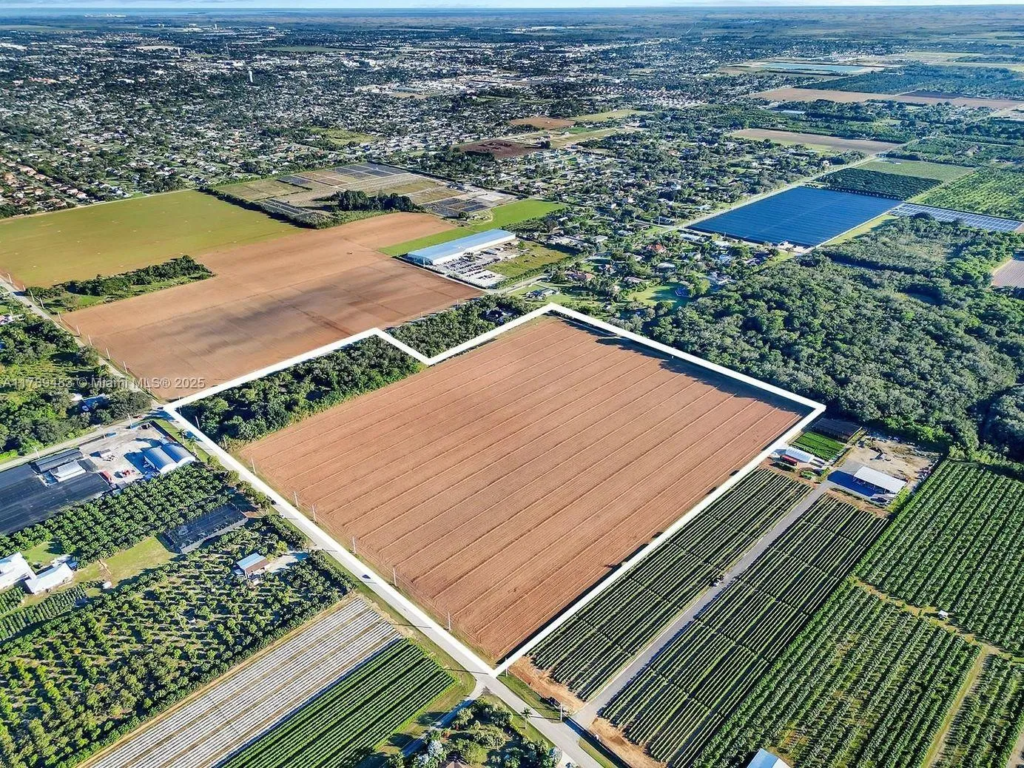
A new proposal in South Miami-Dade is creating conversation after Bluenest Development filed plans to rezone 8.1 acres of farmland in Florida City for 130 townhouses. According to reports shared online, the homes could start in the high $300,000s, with a portion aimed at workforce housing.
At first glance, this sounds like a typical growth story. More homes, more opportunity, and more investment in the southern part of Miami-Dade. But like many development stories in South Florida, it is bigger than just construction.
It raises an important question: should farmland become housing when demand for homes keeps rising?
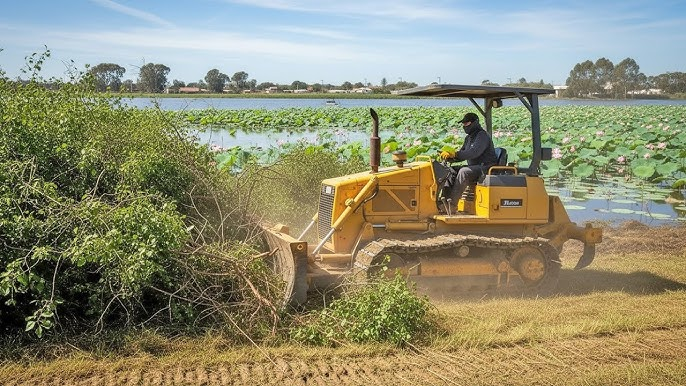
Personally, I understand why this project is gaining attention. South Miami-Dade, Homestead, and Florida City continue to grow. More families are moving south because prices in other parts of Miami have become too expensive. Workers want to stay close to jobs. Young buyers are looking for an entry point into homeownership. Housing demand is real, and it is not slowing down.
That is what makes projects like this attractive.
If these townhouses truly begin in the high $300,000s, that could create options many buyers are searching for in today’s market. And if workforce housing is included, it could help teachers, healthcare workers, service employees, and everyday residents stay in the communities they help build.
But there is another side to this story.
Farmland in South Miami-Dade is not just empty land waiting for development. It is part of the region’s identity, economy, and agricultural history. Once farmland is replaced by rooftops and roads, it rarely comes back. That means every rezoning decision carries long term consequences.
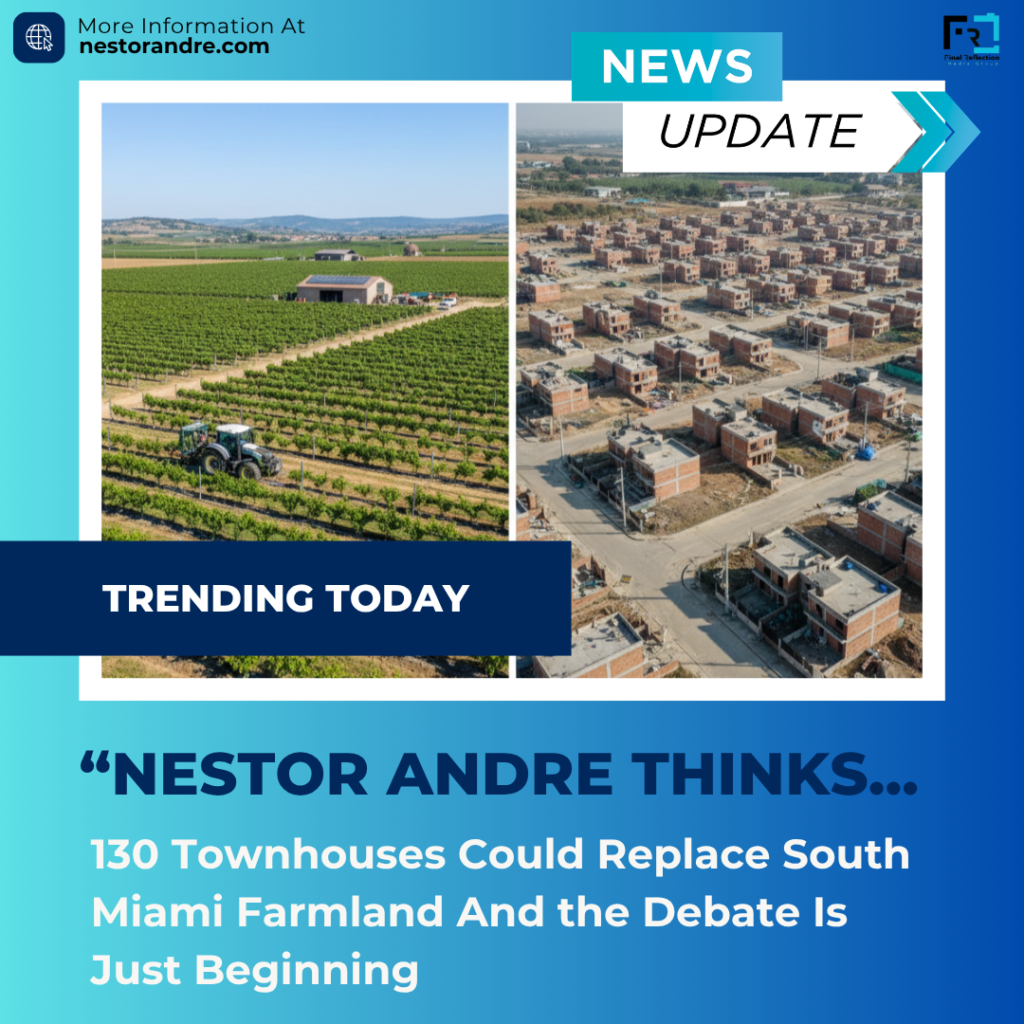
The image shared online captures that tension perfectly. On one side, modern townhomes represent progress and opportunity. On the other, wide open fields remind people of the land and lifestyle that made this area unique in the first place.
From my perspective, this should not be framed as growth versus preservation. South Florida needs both.
The real challenge is planning smart communities instead of simply adding units. That means considering traffic, schools, drainage, green space, and how future growth impacts the people already living there. It also means protecting the farmland that still matters while identifying where housing makes the most sense.
Development is coming to the south side of Miami-Dade whether people like it or not.
The real question is whether we grow with intention or grow without a plan.
Because what gets built next will shape what South Miami-Dade becomes for decades.
– Nestor Andre