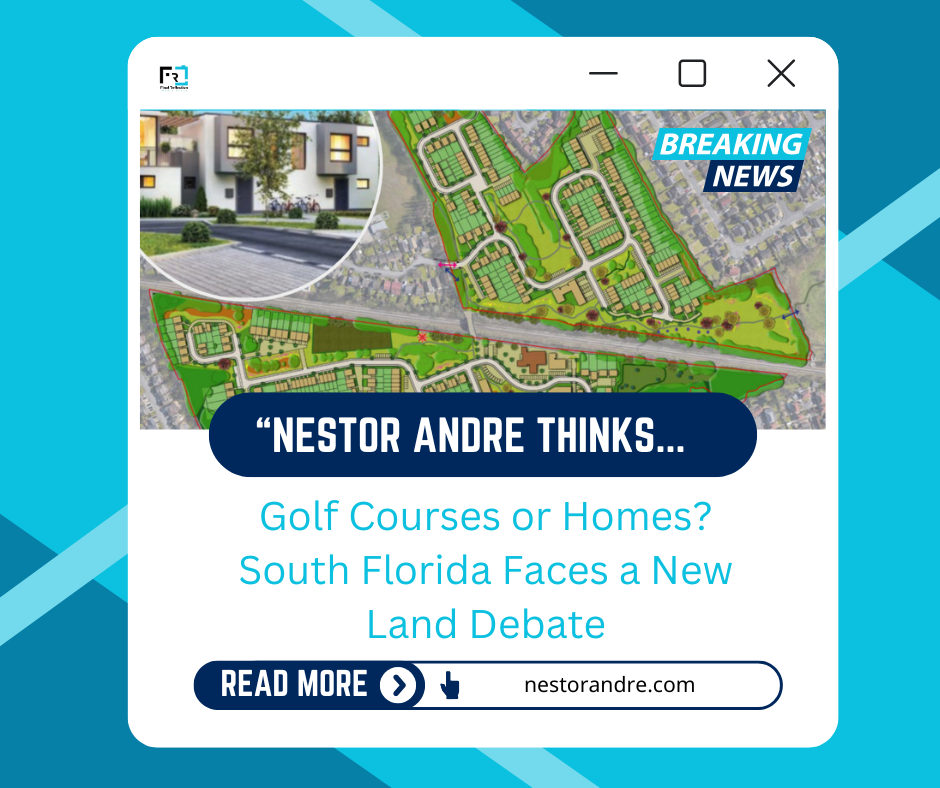
A new Florida law could allow some golf courses in Miami-Dade, Broward, and Palm Beach counties to be redeveloped into housing without going through the usual public approval process. Supporters say it could help address the housing shortage in South Florida. Critics worry it reduces community input on major land use decisions.
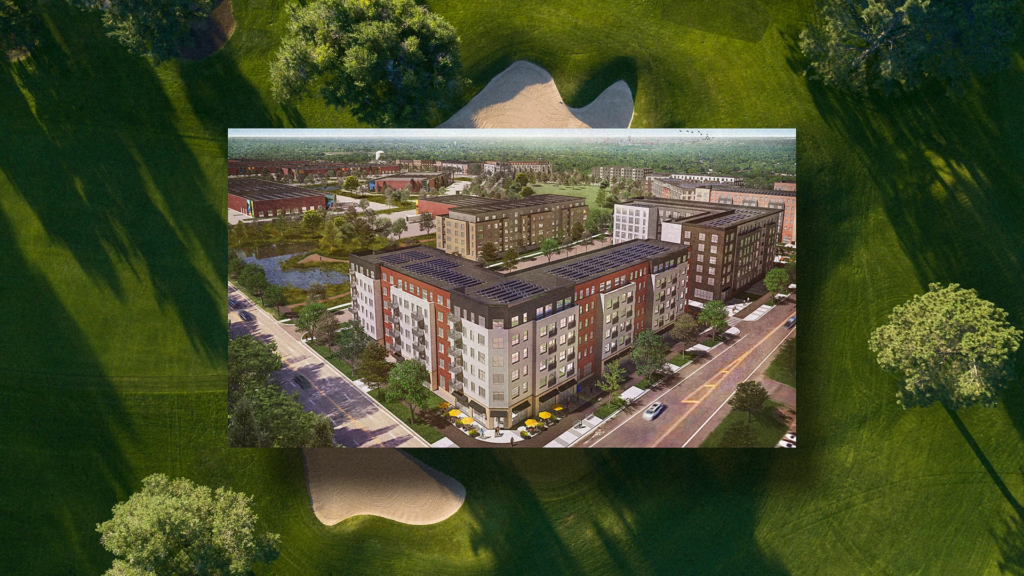
When I first read this story, I understood both sides immediately. South Florida clearly needs more housing. Prices have climbed, supply remains tight, and many working families are struggling to live near where they work. At the same time, changing large spaces like golf courses into housing without strong public discussion feels like a decision that should not happen quietly.
This is what makes the issue more complex than a simple yes or no.
On one hand, many golf courses are underused or no longer as economically valuable as they once were. Large parcels of land inside urban areas are rare, especially in South Florida where space is limited by the ocean on one side and the Everglades on the other. Redeveloping some of these sites into housing could create opportunities for thousands of residents who need places to live.
On the other hand, communities often see golf courses as more than recreation spaces. They can serve as open land, green buffers, and part of a neighborhood’s identity. Once those spaces are developed, they are difficult to get back. That is why public input matters. Residents want to know what will be built, how traffic will change, and whether infrastructure like roads, schools, and drainage can handle new growth.
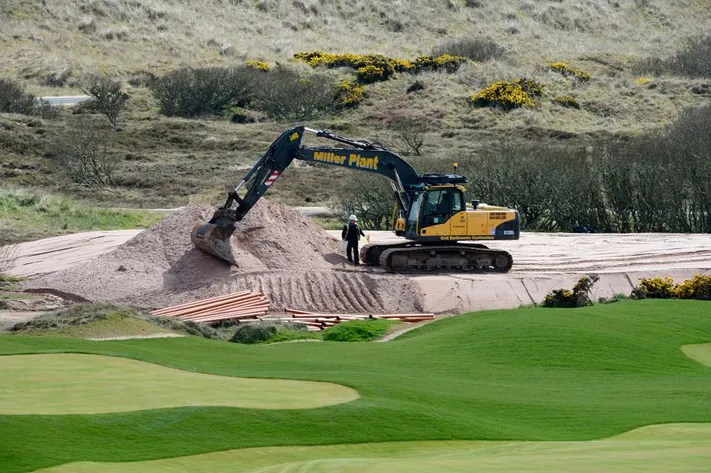
Personally, I think the real issue is not whether golf courses should ever become housing. The real issue is how those decisions are made.
If a city truly needs more housing, smart redevelopment should be part of the conversation. But growth works best when it is transparent, balanced, and designed with the community instead of around it. Faster approvals may solve one problem, but ignoring public trust can create another.
South Florida is growing quickly, and hard choices will continue to come. Land is limited. Demand is rising. Pressure is increasing.
The question is no longer whether change is coming. The question is whether growth will happen with people or without them.
By Nestor Andre